Ground Turkey Egg Roll in a Bowl: 30g Protein Low-Carb Dinner (243…
Ground Turkey Egg Roll in a Bowl gives you egg-roll flavors without the wrapper. It is high-protein, fast, and easy to portion, making it a great meal prep option for your Eati logging.
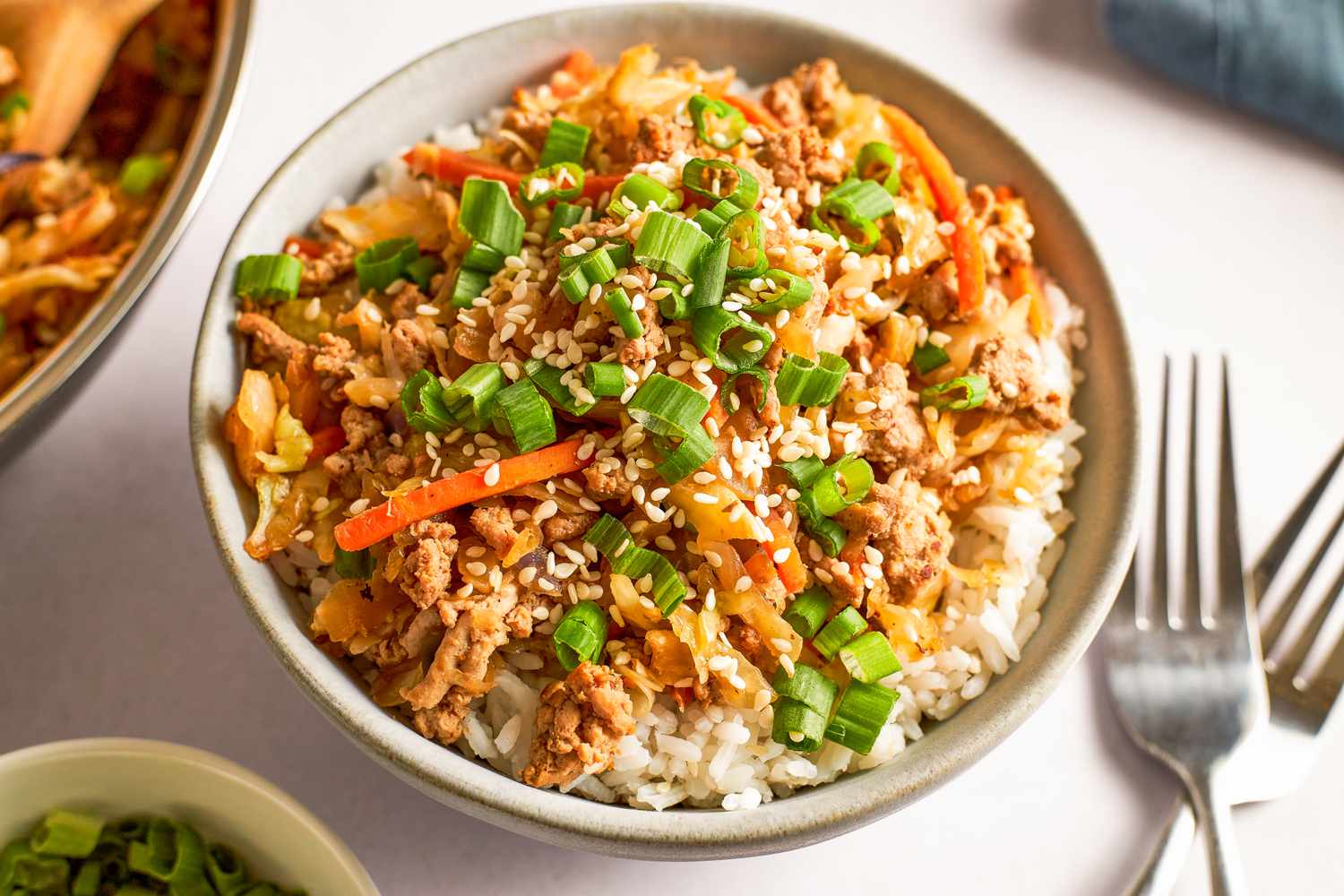
Ingredients
- Ground turkey
- Cabbage
- Carrots
- Soy sauce
- Ginger
- Garlic
- Sesame oil (optional)
- Salt and pepper
Instructions
- Brown ground turkey in a pan with garlic and a pinch of salt.
- Add ginger and stir until fragrant.
- Saute cabbage and carrots until slightly tender.
- Add soy sauce and combine; cook until flavors blend.
- Finish with optional sesame oil, serve warm, and log your portion in Eati.
Calories, Fat, and Protein (Estimated)
Calories: 243 kcal per serving (estimated) Fat: 8.2g Protein: 30g
Tip: reduce oil to keep fat lower while keeping flavor through seasonings.
Why Egg Roll in a Bowl Beats Actual Egg Rolls
Egg roll in a bowl (sometimes called 'crack slaw') is one of the most popular low-carb meal prep recipes of the last five years. Here's why it makes sense for weight loss.
Traditional egg rolls (restaurant, 1 fried): • 200–230 calories • 5g protein • 10g fat (mostly from frying) • 20g carbs (from wrapper) • Greasy, low satiety
This recipe (1 serving = large bowl): • 243 calories • 30g protein • 8g fat • 12g carbs (from vegetables) • Hearty, very filling
You're getting 6x the protein at similar calories — without the fried wrapper.
Key comparisons: • PF Chang's Veggie Egg Roll: 280 cal, 5g protein each. • Trader Joe's Chicken Egg Rolls: 260 cal, 11g protein per 2 rolls. • Panda Express Chow Mein (side): 510 cal, 13g protein. • This recipe: 243 cal, 30g protein per bowl.
Why ground turkey? • Leaner than ground beef (93% lean vs 80%). • Neutral flavor takes seasonings well. • Cooks in 8 minutes. • About $5–7/lb (affordable).
Can you use 99% lean ground turkey? Yes, but it can get dry. Mix with 93/7 for best flavor, or add 1 tsp sesame oil to prevent dryness.
Protein breakdown (4 oz cooked ground turkey): • 93/7 lean: 170 cal, 24g protein, 8g fat. • 99% lean: 120 cal, 26g protein, 2g fat. • 85/15 lean: 220 cal, 22g protein, 14g fat.
Use a calorie calculator to plan your week.
The Cabbage Advantage: A Secret Weight Loss Vegetable
Cabbage is criminally underrated as a weight-loss food. Here's why it makes this recipe so filling.
Cabbage nutrition (1 cup shredded): • 22 calories • 2g fiber • 37% DV vitamin C • 56% DV vitamin K • 2g sugar, virtually no fat • Very low glycemic index
Why cabbage fills you up: • High water content (92% water). • High fiber-to-calorie ratio. • Slow to eat (has to be chewed thoroughly). • Large volume per calorie — a 2-cup serving = 44 cal.
Types of cabbage for this recipe:
Green cabbage: • Most common, budget-friendly. • Firm texture holds up to stir-frying. • Mild, slightly sweet flavor.
Savoy cabbage: • Crinkly leaves with tender texture. • Softer, more delicate. • Best for 'restaurant-style' feel.
Napa (Chinese) cabbage: • Most authentic for Asian-inspired dishes. • Tender, mild, slight crunch. • Cooks faster than green cabbage.
Red/purple cabbage: • Antioxidant-rich (anthocyanins). • Slightly tougher texture. • Adds color.
Coleslaw mix (time-saver): • Pre-shredded bagged mix with green, red, and carrots. • Fastest option. • Slight texture loss but acceptable.
Pro tip: 'Shredded cabbage cooked' volume shrinks about 50% during cooking. Start with 4 cups raw for a generous 2 cups cooked.
Other low-calorie volume vegetables to add: • Bell peppers (30 cal per cup) • Mushrooms (15 cal per cup) • Bean sprouts (30 cal per cup) • Celery (20 cal per cup) • Zucchini (20 cal per cup) • Snow peas (30 cal per cup)
For more low-calorie veggies to incorporate, see high-protein low-calorie foods and best foods for weight loss.
Authentic Flavor Building: Seasoning Like a Restaurant
The difference between 'meh' egg roll bowl and restaurant-quality is in the seasoning.
The classic flavor stack:
Umami foundations: • 3 tbsp soy sauce (or coconut aminos for paleo) • 1 tbsp oyster sauce (adds depth, not very fishy) • 1 tsp fish sauce (optional but transformative) • 1 tsp rice vinegar (brightens the fat)
Aromatics: • 4 cloves garlic, minced • 2 inches fresh ginger, grated • 3 scallions, sliced (white parts cooked, green parts garnish)
Finishing touches: • 1 tsp toasted sesame oil (add at end — don't cook with it) • 1 tbsp toasted sesame seeds • 1–2 tsp sriracha or chili garlic sauce • Fresh cilantro (optional)
Sauce variations:
- Original (as written):
Soy + ginger + garlic + sesame oil.
- Sweet and sour:
Add 1 tbsp rice vinegar + 1 tsp honey + pineapple chunks.
- Spicy Sichuan:
Add 1 tbsp chili garlic sauce + 1 tsp Sichuan peppercorns + red pepper flakes.
- Korean-inspired:
Add 1 tbsp gochujang + 1 tsp sesame oil + kimchi garnish.
- Thai-inspired:
Add 2 tsp fish sauce + 1 tbsp peanut butter + 1 tsp lime + Thai basil.
- Teriyaki-style:
Add 1 tbsp brown sugar + 1 tbsp mirin + 1 tbsp sake.
- Buffalo fusion:
Add 2 tbsp buffalo sauce + blue cheese crumbles to top.
Chef-level techniques: • Bloom aromatics first: Sauté garlic and ginger 30 seconds in dry pan before adding turkey. Releases oils and flavor compounds. • Add soy sauce in two stages: Half at start for flavor penetration, half at end for fresh punch. • Toast sesame seeds: Dry skillet, medium heat, 2 minutes until golden — 10x more flavorful than raw. • Finish with fresh: Cilantro, scallion greens, crispy fried onions at serving time.
Serving Ideas: Bowls, Wraps, Stir-Fries
Egg roll in a bowl is endlessly adaptable for different macro goals and preferences.
Low-carb bowls (250–350 cal): • As-is over cauliflower rice (35 cal per cup extra). • Over shredded lettuce with rice wine vinaigrette. • In lettuce cup wraps (Thai-style). • Topped with fried egg (+70 cal, +6g protein). • Stuffed into halved bell peppers.
Moderate-carb bowls (350–500 cal): • Over 1/2 cup brown or jasmine rice. • Stuffed into whole-grain tortilla as 'stir-fry wrap.' • Over 1/2 cup rice noodles. • With 1/4 cup edamame on top.
Higher-protein bowls: • Top with scrambled egg or fried egg (+70 cal, +6g protein). • Top with shredded rotisserie chicken (+30 cal per oz, +7g protein). • Mix with cubed firm tofu (+80 cal, +10g protein per 1/2 cup). • Top with leftover salmon flakes.
Kid-friendly adjustments: • Reduce or omit ginger. • Skip spicy sauces. • Add small diced broccoli (kids love it small). • Serve over white rice. • Top with mild cheese (surprisingly good).
'Deconstructed egg roll' presentation: • Serve on platter with crispy wonton strips for dipping (30 cal for 1 oz). • Garnish with scallions and sesame seeds. • Great for game days or gatherings.
Complete plate examples:
Fat loss (320 cal, 32g protein): • 1 bowl egg roll in a bowl (243) • 1 cup cauliflower rice (35) • 1 cup snap peas (40) • 1 tbsp sriracha (5)
Maintenance (450 cal, 38g protein): • 1 bowl egg roll in a bowl (243) • 1/2 cup brown rice (110) • 1 fried egg (70) • Cucumber salad (30)
Performance (600 cal, 42g protein): • 1 bowl egg roll in a bowl + extra turkey (320) • 3/4 cup rice (165) • 2 fried eggs (140)
Meal Prep Strategy, Storage & Variations
Egg roll in a bowl is one of the best meal prep recipes — the flavors get better after 24 hours.
Best for meal prep because: • Flavors deepen overnight. • No delicate components to get soggy. • Reheats evenly. • Keeps 5+ days in the fridge.
Batch cooking: • Double the recipe in a wok or 5-qt Dutch oven. • Same cook time (12–15 minutes). • Makes 8 servings.
Storage: • Fridge: 5 days airtight. • Freezer: 3 months (cabbage softens somewhat but still good).
Reheating: • Skillet (best): Medium heat, 5 min. Add 1 tbsp water to steam. • Microwave: 90 seconds covered. Stir halfway. • From frozen: Thaw overnight then reheat; or microwave 4–5 min stirring.
Freezer meal prep approach: • Cook full double batch Sunday. • Portion into individual freezer-safe containers. • Freeze immediately after cooling. • Grab one from freezer before work — thaws at room temp by lunch.
Variations for variety:
Protein swaps: • Ground chicken • Ground pork (more flavor, more fat) • Ground beef (93/7) • Shrimp (add last 4 min) • Firm tofu (crumbled, vegan option)
Vegetable variations: • Add broccoli (+20 cal per cup) • Add mushrooms (+15 cal per cup) • Add bell peppers (+30 cal per cup) • Add water chestnuts (+60 cal per 1/2 cup, great crunch) • Add bamboo shoots (+15 cal per 1/2 cup)
Dietary adaptations: • Paleo: Use coconut aminos instead of soy sauce. • Keto: Already keto-friendly (under 10g net carbs). • Gluten-free: Use tamari or certified gluten-free soy sauce. • Whole30: Coconut aminos + compliant toppings.
Speed hacks: • Pre-chopped coleslaw mix saves 5 minutes prep. • Pre-minced garlic and ginger (jarred) saves 3 minutes. • Total time with shortcuts: 15 minutes from start to plate.
For related recipes, see high protein chicken taco soup and 30 best high-protein recipes. For more low-calorie tips, see how to track calories correctly.
Ground Turkey Egg Roll in a Bowl (High-Protein Recipe) | Eati summary
This bowl is a convenient way to stay high-protein and consistent. Track it in Eati and adjust your portion size as needed.
Ground Turkey Egg Roll in a Bowl: 30g Protein Low-Carb Dinner (243…
How many calories in turkey egg roll in a bowl?
Approximately 243 calories per serving with 30g of protein and 8g of fat. This is one of the leanest complete meals you can make — significantly lower than equivalent restaurant stir-fries (typically 500+ cal with half the protein).
Can I make egg roll in a bowl ahead of time?
Yes — this recipe is actually better after 24 hours as flavors deepen. Store in the fridge for up to 5 days or freeze for 3 months. Reheat in a skillet with 1 tbsp water to keep it from drying out.
Is egg roll in a bowl keto?
Yes. With under 10g net carbs per serving (entirely from vegetables), this fits keto macros. Use coconut aminos instead of soy sauce for a paleo/strictly low-carb version. Add more fat (avocado, sesame oil, fried egg) to hit keto ratios.
Can I use ground chicken or beef instead?
Absolutely. Ground chicken has nearly identical macros (swap 1:1). Ground beef 93/7 adds ~40 calories per serving. Ground pork adds more flavor but also more fat (~80 extra calories per serving). Shrimp works too — add in the last 4 minutes.
What's the difference between egg roll in a bowl and crack slaw?
They're essentially the same recipe with different names. 'Crack slaw' is a keto community term; 'egg roll in a bowl' is more common now. Some variations include eggs scrambled in; some use different proteins — core concept is identical: deconstructed egg roll filling with Asian seasonings over vegetables.
Free Tools to Reach Your Goals
Use our calorie burn calculator, calorie calculator, TDEE calculator, and macro calculator to set your daily targets. Explore all fitness & weight loss tools.