20 Best Foods for Weight Loss: Science-Backed List with Meal Plans
You do not need exotic superfoods or expensive supplements to lose weight. In reality, the best foods for fat loss are simple, affordable, and widely available. They keep you full on fewer calories, make it easier to hit your protein and fiber goals, and support overall health while the scale is moving down.
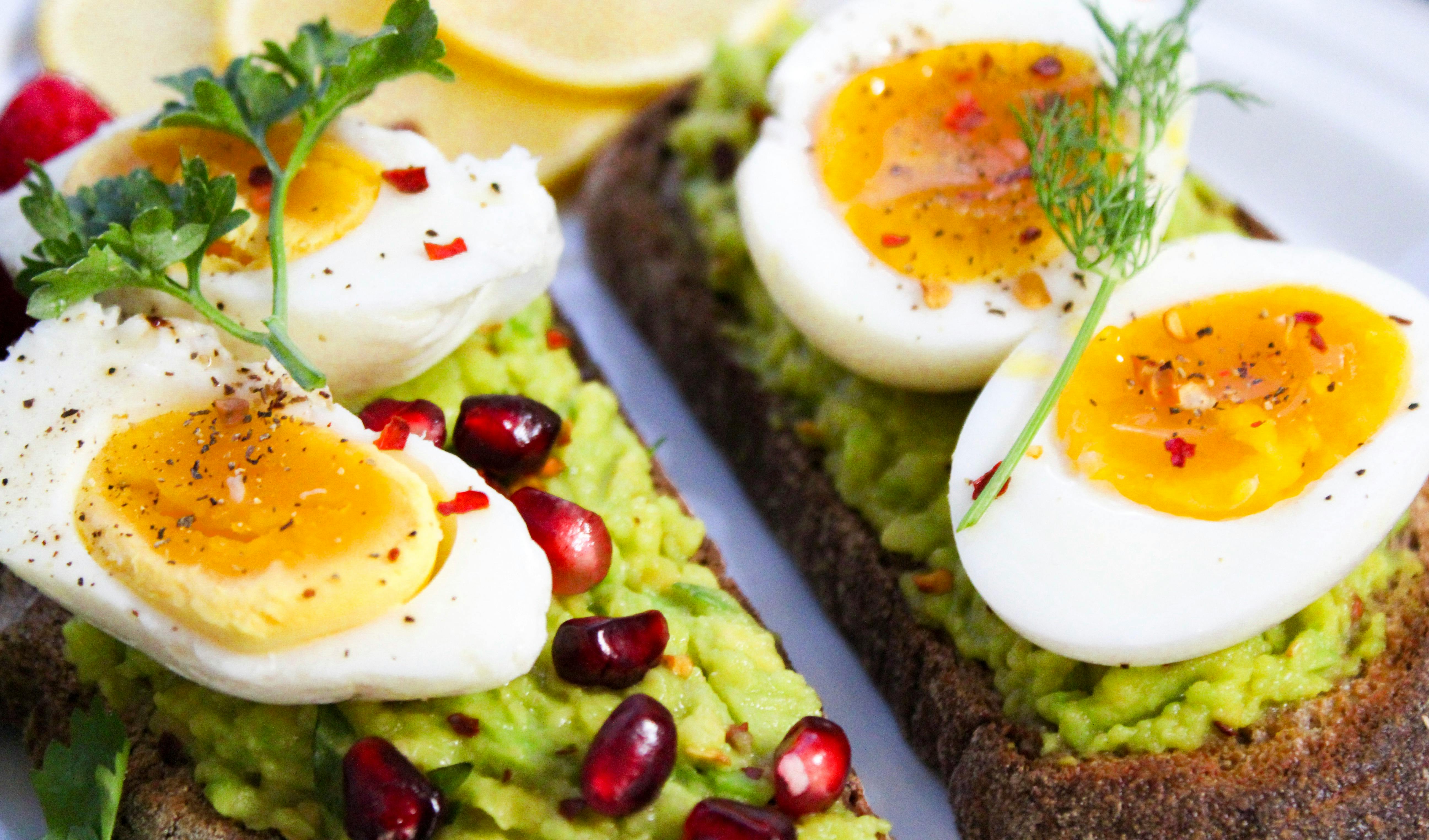
What Makes a Food "Good" for Weight Loss?
No single food automatically burns fat, and no single food automatically makes you gain weight. What matters is how a food fits into your overall calorie intake, hunger levels, and nutrient needs. The best foods for weight loss typically share a few key traits:
• High in protein and/or fiber • Relatively low in calories for their volume • Minimally processed • Satisfying and enjoyable enough to eat regularly
When you build your meals around foods with these qualities, you naturally eat fewer calories without feeling like you are on a diet. You also improve your health markers, energy, and digestion along the way.
Lean Protein All-Stars
Protein is the cornerstone of any effective fat‑loss diet. It helps you stay full, supports muscle maintenance, and slightly increases the number of calories you burn through digestion (the thermic effect of food).
Great lean protein options include:
• Skinless chicken breast and turkey • White fish (cod, tilapia, haddock) and oily fish (salmon, mackerel) • Eggs and egg whites • Low‑fat Greek yogurt and cottage cheese • Tofu, tempeh, seitan, and other plant‑based proteins
Aim to include at least one of these in every meal. Eati can help you check how much protein you are getting per day so you do not have to guess.
High-Volume, Low-Calorie Vegetables
Non‑starchy vegetables are some of the most powerful weight‑loss foods on the planet. They add bulk and fiber to meals for very few calories, which means your stomach feels full while your total calorie intake stays under control.
Examples include leafy greens, cucumbers, tomatoes, peppers, broccoli, cauliflower, zucchini, green beans, and carrots. Roasting, grilling, stir‑frying with a small amount of oil, or adding them to soups and stews are easy ways to increase your daily intake.
Try filling half your plate with vegetables at lunch and dinner. This simple habit alone can dramatically lower your average calorie intake without making you feel restricted.
Fiber-Rich Carbs That Keep You Full
Carbohydrates are not the enemy of weight loss; overeating highly processed, low‑fiber carbs is the issue. Whole‑food carb sources provide energy, fiber, and important micronutrients that support training and recovery.
Great choices include potatoes (especially with the skin), oats, quinoa, brown rice, beans, lentils, chickpeas, and whole‑grain breads or wraps. Pair these with lean protein and vegetables for balanced, satisfying meals.
Because these foods digest more slowly than sugary snacks or refined white bread, they keep you fuller for longer and reduce the urge to snack mindlessly between meals.
Fruits That Satisfy a Sweet Tooth
Fruit is often unfairly blamed for weight gain because it contains natural sugar. In reality, fruit is one of the best ways to satisfy sweet cravings while still supporting fat loss. It provides fiber, water, vitamins, minerals, and phytonutrients in a relatively low‑calorie package.
Berries, apples, pears, oranges, kiwi, melon, and grapes are all excellent options. A bowl of Greek yogurt topped with berries and a drizzle of honey, for example, is far more filling than a candy bar with similar calories.
If you crave something sweet after meals, plan a serving of fruit into your day instead of trying to white‑knuckle your way through cravings.
Healthy Fats in the Right Amounts
Dietary fat is calorie‑dense, but it is also important for hormone production, brain function, and absorption of fat‑soluble vitamins. The key is portion control.
Focus on whole‑food fat sources such as avocado, nuts, seeds, olives, and extra‑virgin olive oil. Measure these foods instead of pouring them freely—two tablespoons of peanut butter or oil can add over 200 calories to a meal.
When you log your meals in Eati, pay close attention to how quickly fats raise your total calories. With a bit of awareness, you can enjoy them daily without overshooting your targets.
Top 20 Fat Loss Foods Ranked by Satiety Per Calorie
Not all healthy foods are equal when it comes to keeping you full on a diet. The satiety index measures how satisfying foods are relative to their calorie cost. Here's a ranked list of the most satisfying fat-loss foods:
Tier 1 — Extremely filling for the calories:
- Boiled potatoes (with skin)
- Fish (cod, haddock, tilapia)
- Oatmeal
- Apples
- Oranges
- Eggs
- Chicken breast
Tier 2 — Very filling:
- Greek yogurt (plain, non-fat)
- Cottage cheese
- Beans and lentils
- Berries (strawberries, blueberries, raspberries)
- Whole-grain bread
- Popcorn (air-popped)
- Beef (lean cuts)
Tier 3 — Moderately filling:
Build at least 70–80% of your plate from tier 1 and 2 foods, and you'll find calorie deficit much easier. A protein calculator can help you decide how much lean protein to target daily.
For deeper guidance on protein-dense options specifically, see high-protein low-calorie foods.
Sample Meal Plans Built Around These Foods
Here's how these foods fit together into full daily meal plans at different calorie levels. Adjust portions using a calorie calculator based on your needs.
1,500 calorie day (140g+ protein, women/smaller frames): • Breakfast: 2 whole eggs + 3 egg whites scrambled, 1 slice whole-grain toast, 1 cup berries (~400 cal, 32g protein). • Lunch: 5 oz grilled chicken, large salad with mixed greens, tomatoes, cucumbers, olive oil dressing (~400 cal, 40g protein). • Snack: Greek yogurt with 1 tbsp honey and an apple (~250 cal, 18g protein). • Dinner: 5 oz white fish, 1 cup quinoa, 2 cups roasted broccoli (~450 cal, 40g protein).
2,000 calorie day (150g+ protein, men/active women): • Breakfast: Oatmeal with 1 cup berries, 1 scoop protein powder, 1 tbsp peanut butter (~450 cal, 35g protein). • Lunch: 6 oz chicken, 1 cup brown rice, 2 cups stir-fried vegetables (~600 cal, 45g protein). • Snack: 1 cup cottage cheese with pineapple (~200 cal, 25g protein). • Dinner: 6 oz salmon, 1 medium sweet potato, 2 cups roasted asparagus, olive oil (~550 cal, 40g protein). • Optional: apple + 1 tbsp almond butter (~200 cal).
These plans hit high protein, include satisfying carbs, and leave room for flexibility. For more on tracking these plans accurately, see how to track calories correctly.
Foods That Sabotage Weight Loss (Even 'Healthy' Ones)
Some foods marketed as healthy are actually calorie traps that can stall progress even when you're trying to eat well. Watch out for:
• Granola & trail mix — 400–600 cal per cup; easy to overeat as a 'healthy snack.' • Smoothie bowls & açai bowls — often 600–900 cal; blended so they don't register as filling. • Flavored yogurts — many contain 15–25g of added sugar, often more than a candy bar. • Nut butters — 190–200 cal per 2 tablespoons; a heavy hand can add 500+ cal per day. • Oils and dressings — 120 cal per tablespoon; salad dressings often add 400+ cal to a 'healthy' salad. • Protein bars — many are 250–400 cal with candy-bar-level sugar; read labels. • Dried fruit — calorie-dense due to water removal; 1 cup of raisins = ~430 cal. • Juices and smoothies — even fresh-pressed juice runs 150–300 cal with no fiber or fullness.
Whole food versions of these (a piece of fruit, a handful of nuts, plain Greek yogurt + berries) give you the nutrition without the hidden calorie load. When progress slows, these are usually the first places to audit. See why weight loss slows down after a few weeks for more on progress plateaus.
The Best Foods for Weight Loss (Backed by Science) summary
The best foods for weight loss are not mysterious or complicated. They are simple staples—lean proteins, high‑volume vegetables, fiber‑rich carbs, fruit, and measured portions of healthy fats—that you can combine in countless ways. When you prioritize these foods most of the time and use tools like Eati to keep an eye on portions and calories, you create a diet that is both effective and enjoyable. Start by upgrading just one or two meals per day with the options in this guide and watch how much easier it becomes to stay in a calorie deficit without feeling deprived.
20 Best Foods for Weight Loss: Science-Backed List with Meal Plans FAQ
What is the #1 food for weight loss?
There is no single magic food, but boiled potatoes consistently rank as the most satiating food per calorie on the satiety index — ahead of even chicken or fish. Combined with a lean protein source, potatoes make an extremely filling, affordable weight-loss meal. Overall, lean protein (chicken, fish, Greek yogurt) plus high-volume vegetables are the foundation.
What foods burn belly fat?
No food specifically burns belly fat — that's a myth. Fat loss happens from a calorie deficit, and where you lose fat is determined by genetics. However, high-protein and high-fiber foods (chicken, fish, lentils, leafy greens, berries) support fat loss by keeping you full, preserving muscle, and making a deficit easier to maintain.
What should I eat every day to lose weight?
Aim for: 25–40g protein at every meal (chicken, fish, eggs, Greek yogurt, tofu), 1–2 servings of fruit, 3–5 servings of vegetables, 1–2 servings of whole grains or starches (oats, rice, potatoes), and measured portions of healthy fats (olive oil, nuts, avocado). Use a calorie calculator to set your daily target based on your weight and activity level.
What foods should I avoid to lose weight?
No food needs to be completely eliminated, but limit calorie-dense, low-satiety foods: sugary drinks, fried foods, pastries, candy, ice cream, and highly processed snacks. Also watch 'healthy' calorie traps like granola, smoothie bowls, nut butters, and flavored yogurts — they can add hundreds of hidden calories.
Are eggs good for weight loss?
Free Tools to Reach Your Goals
Use our calorie burn calculator, calorie calculator, TDEE calculator, and macro calculator to set your daily targets. Explore all fitness & weight loss tools.