How to Lose Weight Fast for Women: Calorie, Protein & Strength Plan
Women are often told to eat as little as possible, do hours of cardio, and avoid entire food groups if they want to lose weight quickly. That advice may lead to a fast drop on the scale in the first week, but it usually ends in plateaus, burnout, and weight regain. This guide explains how women can lose weight quickly—and keep it off—by working with their biology instead of fighting it.
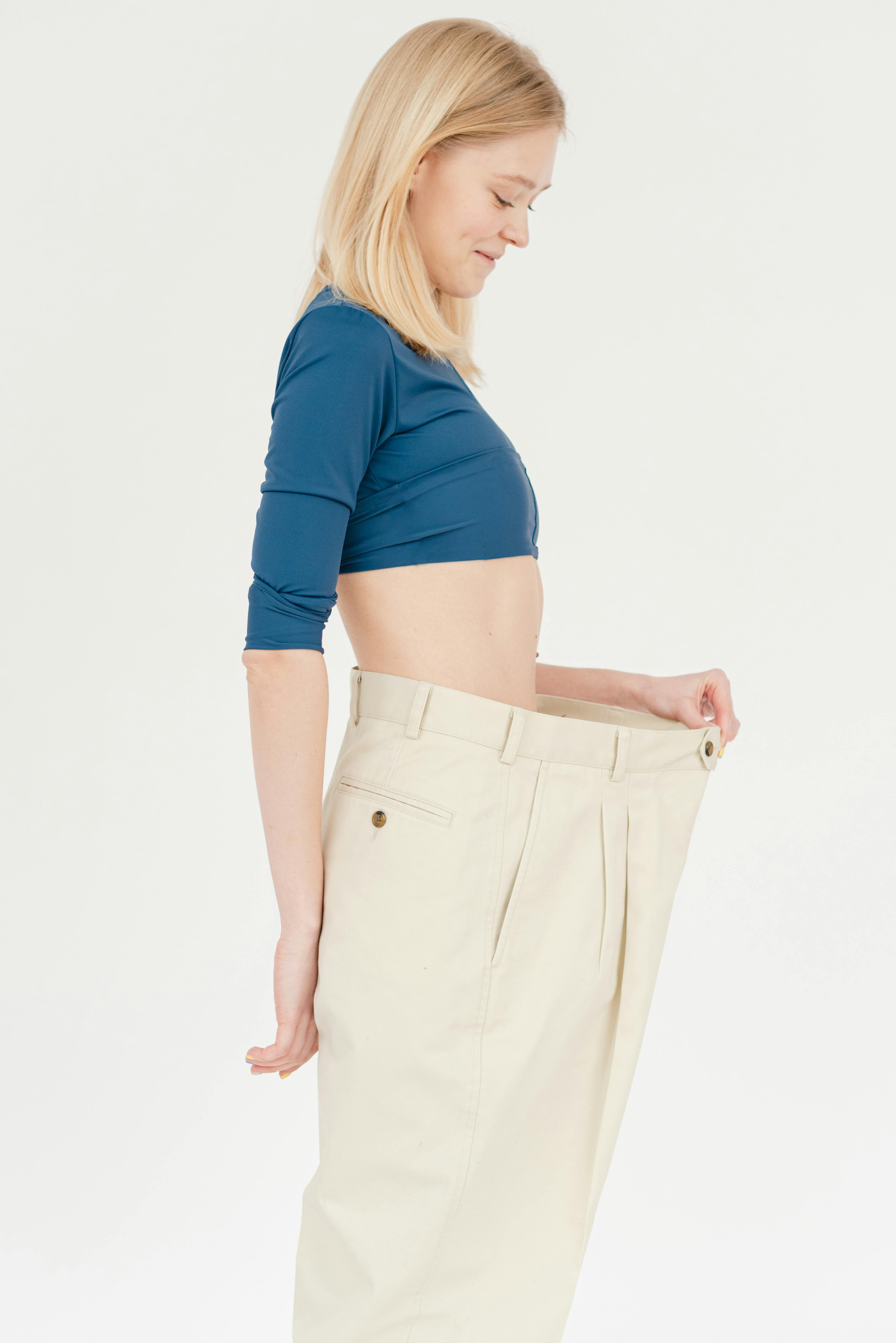
Why Weight Loss Feels Harder for Women
Women generally have lower starting calorie needs than men because of differences in body size, muscle mass, and hormones. That means there is less room for error: overeating by 300–400 calories is easy to do and can erase an entire day of planned deficit.
Hormonal shifts across the menstrual cycle, perimenopause, and menopause can also impact hunger, water retention, and energy levels. It is normal for weight to spike around your period or during stressful phases of life even when your calories are on point.
Understanding these factors does not mean weight loss is impossible; it simply means you need a smart, structured plan and a bit more patience with temporary fluctuations.
Choose an Aggressive but Sustainable Calorie Target
For faster results, many women do well with a calorie deficit of about 20–30 percent below maintenance for a limited period. For example, if your maintenance is around 2200 calories, a daily intake of 1500–1700 calories can produce steady, noticeable fat loss without crashing your energy.
Instead of guessing your intake, log your meals honestly using an app like Eati. Describe your meals, check the estimated calories and protein, and adjust portion sizes as needed. This is far more accurate than trying to "eat healthy" by feel alone.
If you notice that you are constantly hungry, irritable, or thinking about food all day, your deficit is probably too large. Bump your intake up by 150–200 calories, focus on higher‑volume foods, and reassess over the next two weeks.
Make Protein and Strength Training Non-Negotiable
When women lose weight quickly on low‑protein diets, a significant portion of that loss can be muscle, not just fat. This reduces metabolic rate and makes it easier to regain the weight later. The fix is simple but powerful: prioritize protein and lift weights.
Aim for at least 0.7–0.9 grams of protein per pound of goal body weight per day. Build every meal around a clear protein source such as eggs, Greek yogurt, cottage cheese, chicken, turkey, fish, tofu, or tempeh. Use Eati to keep an eye on daily protein totals instead of tracking only calories.
Pair this with two to four strength sessions per week focused on compound lifts. You do not need a complicated program—simple, progressive workouts with squats, deadlifts, rows, presses, lunges, and core work are enough to maintain or even build muscle while you lean out.
Adapt Your Plan Around Your Menstrual Cycle
Many women notice predictable patterns during their cycle: increased hunger and cravings in the late luteal phase, water retention around their period, and higher energy in the follicular phase. Instead of ignoring these patterns, plan around them.
During higher‑hunger weeks, slightly increase calories by 100–200 per day while prioritizing protein, fiber, and high‑volume foods. You will still lose weight over the month, but you will feel far less out of control. During higher‑energy weeks, push a bit harder with training and step counts.
When you see weight spikes on the scale around your period, remind yourself that these are almost always water, not fat. Track weekly averages or cycle‑to‑cycle trends instead of panicking over single‑day changes.
Cardio as a Tool, Not a Punishment
Cardio is helpful for increasing calorie burn, improving heart health, and managing stress. But it is easy to overdo it—especially when you use cardio to "earn" or "burn off" food. Too much intense cardio on top of a large calorie deficit can leave you exhausted and more likely to binge.
A balanced approach is to build a base of daily movement—aim for 7,000–10,000 steps per day—and then add 2–3 cardio sessions you actually enjoy, like brisk walking, cycling, dance classes, or interval training. Think of cardio as a supplement to your deficit, not the main driver.
This combination of reasonable cardio, a structured calorie deficit, and strength training creates fast, visible changes in body shape without wrecking your energy or hormones.
Measure Success Beyond the Scale
Quick weight loss for women often shows up in clothing and measurements before it shows up on the scale. Hormonal water shifts can mask real fat loss, so you need more than one metric.
Track waist, hip, and thigh measurements every 1–2 weeks, pay attention to how your clothes fit, and take progress photos from the front, side, and back in consistent lighting. Many women are surprised to see clear visual changes in these photos even when the scale seems stuck.
When you measure progress in multiple ways, you are less likely to give up on a plan that is actually working.
Sample Weekly Plan for Fast Weight Loss
Here's a template you can adapt to your life. Goal: 1,500–1,700 calories per day (adjust based on a calorie calculator), 100–130 g protein, 7,000+ steps, 2–3 strength sessions.
Breakfast rotation (30–35 g protein, 300–400 calories): • Greek yogurt bowl: 1 cup plain Greek yogurt, 1/2 cup berries, 2 tbsp granola, 1 tbsp nut butter • Veggie omelet: 3 eggs, spinach, tomato, feta, 1 slice whole grain toast • Protein oats: 1/2 cup oats, 1 scoop protein powder, 1/2 banana, cinnamon
Lunch rotation (30–40 g protein, 400–500 calories): • Chicken salad bowl: 5 oz grilled chicken, mixed greens, tomato, cucumber, 1/4 avocado, lemon-olive-oil dressing • Tuna + bean wrap: 5 oz tuna, 1/2 cup white beans, lettuce, mustard, 1 whole-grain wrap • Tofu stir-fry: 5 oz firm tofu, 2 cups vegetables, 2/3 cup rice, soy-ginger sauce
Dinner rotation (35–45 g protein, 500–600 calories): • Salmon + roasted veggies: 5 oz salmon, large tray roasted vegetables, 1 small potato • Lean turkey chili: 1.5 cups with beans and peppers, 1 tbsp Greek yogurt • Shrimp sheet pan: 6 oz shrimp, broccoli, bell peppers, 1/2 cup quinoa
Planned snacks: cottage cheese with fruit, 1 oz nuts + apple, protein shake, hard-boiled eggs.
Log these in Eati for a week to confirm the total lands near your target. Use a protein calculator to fine-tune your daily protein number.
How to Handle Common Roadblocks for Women
Fast fat loss for women usually doesn't stall because of metabolism — it stalls because of predictable roadblocks. Here's how to handle the big ones.
Roadblock 1: Late-evening eating Fix: Eat larger meals earlier, include protein + fiber at dinner, and pre-plan one evening snack (Greek yogurt, protein shake) so you're not foraging. See how to stop binge eating at night for deeper strategies.
Roadblock 2: Workday snacking Fix: Front-load breakfast protein (30+ g), pack a planned mid-morning snack, and keep tempting foods out of the desk drawer.
Roadblock 3: Weekend calorie spikes Fix: Log weekends the same way you log weekdays, set a slightly higher Saturday/Sunday target (+200 cal), and choose one planned indulgence per weekend rather than drifting.
Roadblock 4: PMS cravings Fix: Plan for 100–200 extra calories/day in the late luteal phase with higher-protein versions of craved foods (dark chocolate + Greek yogurt, high-protein ice cream, savory air-popped popcorn).
Roadblock 5: Social events Fix: Eat a protein-rich meal or snack 90 minutes before the event so you don't arrive starving. Pick 1–2 indulgences instead of grazing.
Roadblock 6: Perimenopause Fix: Expect a 100–200 calorie drop in maintenance. Recalculate with a TDEE calculator, prioritize strength training to protect muscle, and add walking.
Avoiding the 4 Biggest Traps in 'Fast Weight Loss for Women'
Many fast-weight-loss plans marketed to women backfire for the same reasons. Watch out for these.
- Very low-calorie diets (<1,200 kcal). They work briefly but cost muscle, energy, sleep, and menstrual regularity. Set your floor with a calorie deficit calculator and don't go below roughly BMR.
- Hours of cardio to 'burn' food. A 45-minute run burns ~400 cal — often less than one 'reward' meal. Cardio is helpful, but it can't rescue an out-of-control deficit-and-binge cycle.
- Skipping strength training. Without resistance work, women can lose 25–40% of weight lost as muscle during a fast deficit, lowering metabolism and changing body shape unfavorably. Even 2 short sessions per week change the outcome dramatically.
- Cutting out entire food groups. Restrictive 'no carbs,' 'no dairy,' 'no fruit' rules create cravings and social friction. Flexibility — including planned favorite foods — is what makes fast plans sustainable for 8–12 weeks.
For a deeper dive, read how to lose weight without starving and why most diets fail.
How to Lose Weight Fast for Women (Without Destroying Your…
Fast weight loss for women does not require extreme diets, endless cardio, or saying goodbye to all your favorite foods. It requires a smart calorie deficit, enough protein to protect your muscle, strength training to shape your body, and realistic expectations about how hormones and water retention affect the scale. When you combine these pieces and give your plan a few months, the results are not only faster—they are also far more sustainable. Start today by setting a realistic calorie target, planning protein‑centered meals, and using Eati to keep your numbers honest while you focus on living your life.
How to Lose Weight Fast for Women: Calorie, Protein & Strength Plan…
How much weight can a woman safely lose in a month?
Most women can safely lose 4–8 lb in a month with a 500-calorie daily deficit. Heavier starting weights may see 6–10 lb, while already-lean women see 2–5 lb. Going faster than ~1% of body weight per week often causes muscle loss, fatigue, and hormonal disruption.
How many calories should a woman eat to lose weight fast?
Most women do well at 1,400–1,700 calories per day for fast-but-sustainable loss. Use a TDEE calculator to find your maintenance and subtract 500–700. Going below ~1,200 calories typically backfires with muscle loss, intense hunger, and rebound eating.
What's the fastest way for a woman to lose belly fat?
Combine a moderate calorie deficit (400–600 below maintenance), 100+ g of daily protein, 2–3 strength sessions per week, 7,000+ daily steps, and 7–9 hours of sleep. Belly fat responds to overall fat loss — you can't spot-reduce it, but a consistent plan moves waist circumference quickly.
Why do women lose weight slower than men?
Smaller body size means lower baseline calorie needs, leaving less room for a deficit. Hormonal cycles cause weekly water shifts that can hide fat loss. Women also tend to carry more essential body fat, making the last few pounds harder. Consistent tracking and 6–12 week patience close the gap.
Is 1,200 calories too low for a woman?
For most women, yes. It's below BMR for taller or more active women and often causes fatigue, muscle loss, irregular periods, and binge cycles. Unless you're very small and sedentary, aim for 1,400–1,700 as a safer fat-loss range.
Free Tools to Reach Your Goals
Use our calorie burn calculator, calorie calculator, TDEE calculator, and macro calculator to set your daily targets. Explore all fitness & weight loss tools.