How to Stop Binge Eating at Night: Science-Backed Strategies That…
You eat well all day, but when evening comes, it feels like something takes over: snacking on the couch, raiding the pantry, and going to bed uncomfortably full. Night‑time overeating is incredibly common—and it is often less about "weak willpower" and more about how your entire day is set up.
Understand What Drives Your Night-Time Binges
Night‑time binge eating usually has multiple causes working together:
• You are too hungry from under‑eating earlier in the day. • You are using food to cope with stress, boredom, or emotions. • Your environment makes constant snacking effortless. • You see night‑time as your only "me time" and food becomes part of that ritual.
Instead of blaming yourself, get curious. Reflect on your typical day: How much do you actually eat earlier? How stressed or tired do you feel by evening? What situations reliably trigger a binge? Awareness is the first step toward change.
Stop "Saving Calories" by Starving All Day
One of the biggest drivers of night‑time binges is trying to be overly strict during the day—tiny breakfasts, skipped lunches, and minimal snacks to "save calories" for later. By evening, your body is simply rebounding from hours of under‑fueling.
A better approach is to eat regular, balanced meals with enough protein and volume to keep you satisfied. When you use Eati to log your day, check whether you are front‑loading or back‑loading most of your calories. If 60–70 percent of your intake is happening at night, redistribute some of that energy to earlier meals.
You will be surprised how much easier it is to stop at one dessert or a small snack when you are not entering the evening in a massive deficit.
Build an Evening Routine That Is Not Built Around Food
If food is your main way to unwind, simply removing it leaves a void—so you go back to old habits. Instead, design an evening routine that gives you relaxation, comfort, and pleasure in other ways.
Options include reading, stretching, a warm shower, a short walk, journaling, or calling a friend. None of these have to be perfect or Instagram‑worthy; they just need to give your brain a sense of "the day is over, I can exhale" that does not depend solely on snacking.
You can still include food in the routine—but as a small, intentional part. For example, you might plan a specific, satisfying snack, log it in Eati, and fully enjoy it, then move on to your other rituals.
Make Bingeing Less Automatic with Environment Design
Your environment has a huge impact on your behavior, especially when you are tired. If high‑calorie snacks are always visible and easy to grab, you will reach for them almost on autopilot.
Simple changes help:
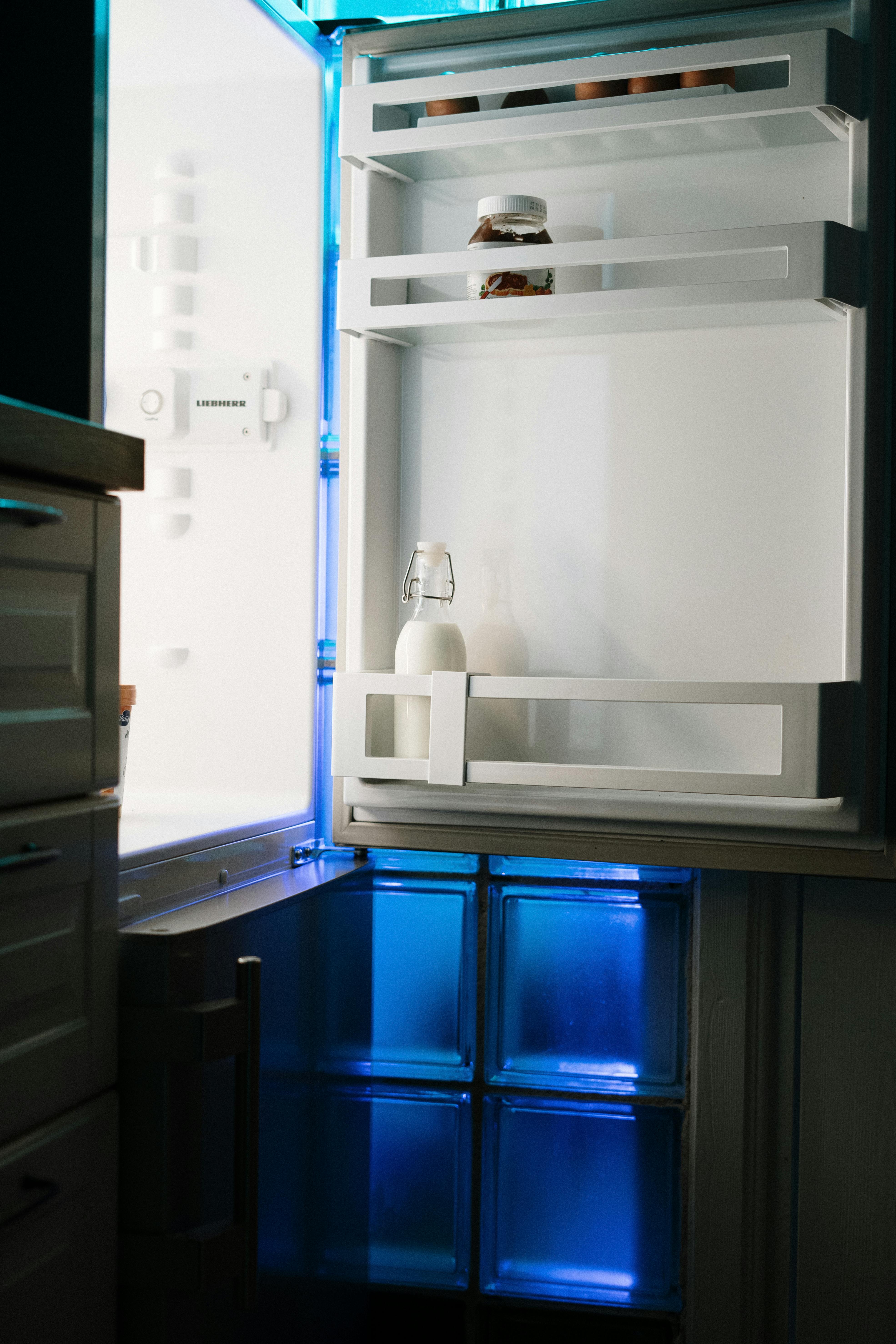
• Keep trigger foods out of sight or in less convenient places. • Stock your fridge and pantry with satisfying but lower‑calorie options. • Avoid eating directly from large packages—portion snacks onto a small plate instead.
These changes do not rely on willpower; they reduce the number of decisions you have to make at 10 p.m., when your self‑control is naturally lower.
Use Data Compassionately, Not as a Weapon
Logging binge episodes can feel uncomfortable, but it is one of the most effective ways to make progress. When you record what and how much you ate—even approximately—you turn a vague sense of "I blew it" into specific information you can work with.
Use Eati to log night‑time episodes without judgment. Look for patterns: certain days of the week, specific triggers, or times when you consistently eat far beyond your calorie target. Combined with daytime logs, you will see where to adjust meals, stress management, or routines.
Remember: the goal is not perfection. Reducing the frequency, intensity, or duration of binges is real progress, even if they do not disappear overnight.
The Hunger vs Craving Test: Stop Night Eating Cycles
Not every urge to eat at night is real hunger. A quick test can help you distinguish between physical hunger and emotional cravings — and respond accordingly.
Ask yourself:
- Would I eat a plain apple or chicken breast right now? If yes → likely real hunger. If 'no, I want chips/ice cream specifically' → likely a craving.
- When did I last eat? Under 2 hours → probably not hungry. Over 4 hours with a light dinner → probably actual hunger.
- How do I feel emotionally? Stressed, lonely, bored, anxious? These trigger cravings, not hunger.
- What is my body telling me? Real hunger feels like stomach emptiness, mild weakness, focus issues. Cravings feel like urgency, mouth-watering, emotional pull.
If it's real hunger, eat a planned, protein-rich snack (Greek yogurt, cottage cheese, turkey slices). If it's a craving, try a 10-minute delay: herbal tea, a short walk, or a phone-free task. 80% of cravings pass within 20 minutes when you don't act on them immediately.
For context on hunger in general, see how to stay in a calorie deficit without feeling hungry.
Building Protein-Packed Dinners That Kill Late-Night Cravings
The single biggest predictor of night-time binge eating is an under-protein, low-volume dinner. When dinner is pasta with some sauce or a sandwich with chips, you're physically unsatisfied by 9 PM — no willpower in the world can fix that.
A satiety-first dinner formula:
• 40–50 g protein (chicken breast, fish, lean beef, tofu, Greek yogurt) — the single most important factor. • 2–3 cups of vegetables — huge volume, low calories. • A moderate carb (sweet potato, rice, whole-grain bread) for satisfaction and serotonin production. • A small healthy fat (olive oil, avocado, nuts) for flavor and fullness.
Examples: • Grilled chicken (6 oz) + roasted broccoli + baked sweet potato + olive oil drizzle. • Salmon (5 oz) + big green salad + quinoa + avocado. • Lean beef stir-fry with 3 cups of vegetables + brown rice.
Use a protein calculator to see your daily target, and a calorie deficit calculator to understand how dinner fits your plan. When dinner hits 40+ g protein, most people find late-night cravings drop dramatically within 1–2 weeks.
The 'Planned Dessert' Strategy
Forbidden foods get more attractive, not less. Telling yourself 'no sugar after dinner' for the 50th night in a row usually ends in binge mode. A counterintuitive fix: plan a small nightly dessert into your calorie budget.
How it works:
• Choose a portioned treat: 1 oz of dark chocolate (~150 cal), a small ice cream (~200 cal), a high-protein pudding (~150 cal), a rice cake with peanut butter (~150 cal). • Keep 150–250 calories reserved in your daily budget for this treat. • Eat it sitting down, slowly, without a screen. Enjoy it fully. • Then close the kitchen — brush teeth, make tea, do your evening routine.
This approach satisfies the psychological need for a 'sweet moment' after dinner while staying within your calorie deficit. Most people find they binge less, not more, when a planned treat is built in. For more on this philosophy, see how to lose weight without giving up your favorite foods and why most diets fail.
How to Stop Binge Eating at Night (Without Relying Only on…
Stopping binge eating at night is less about heroic willpower and more about building days that do not push you into desperation by evening. By eating enough earlier, prioritizing protein and volume, creating non‑food ways to unwind, and redesigning your environment, you remove many of the triggers that drive night‑time overeating. Paired with honest, compassionate tracking in Eati, these changes transform late‑night chaos into a routine you can feel proud of—and that actually supports your weight‑loss goals.
How to Stop Binge Eating at Night: Science-Backed Strategies That…
Why do I binge eat every night?
The most common causes are: under-eating during the day (especially low protein), high stress, using food as your only form of relaxation, and easy access to trigger foods at home. Most night binges are fixable by eating enough earlier, prioritizing protein at dinner, and building a non-food evening routine — not by relying on willpower.
How do I stop night-time cravings instantly?
Try the 10-minute delay rule: drink a glass of water or herbal tea, brush your teeth, or start a short task. Most cravings peak in 5–10 minutes and pass within 20. If hunger is real, eat a planned protein snack like Greek yogurt or cottage cheese rather than grazing on snacks.
Is night-time eating bad for weight loss?
Eating at night isn't inherently fattening — your total daily calories matter most. The problem is that night eating is often unplanned, calorie-dense, and on top of a full day of normal eating, pushing you over your target. A planned evening snack or small dessert that fits your calorie goal is completely fine.
What should I eat when I'm hungry at night?
Choose high-protein, high-volume options: Greek yogurt with berries, cottage cheese, a protein shake, turkey slices, or hard-boiled eggs. These satisfy hunger with few calories. Avoid grazing on chips, cereal, or ice cream straight from the container.
How long does it take to stop binge eating at night?
Most people see significant improvement within 2–4 weeks when they fix the root causes — eating enough during the day, hitting protein targets at dinner, and building a non-food evening routine. Complete elimination of binge episodes can take 2–6 months, but reducing frequency and intensity counts as real progress.
Free Tools to Reach Your Goals
Use our calorie burn calculator, calorie calculator, TDEE calculator, and macro calculator to set your daily targets. Explore all fitness & weight loss tools.