Easy Miso Salmon: 30g Protein in 238 Calories (Japanese-Inspired…
Easy Miso Salmon is a savory, protein-rich dinner made with salmon, miso paste, and a simple sauce. It is straightforward to portion and log in Eati so your macros stay consistent.
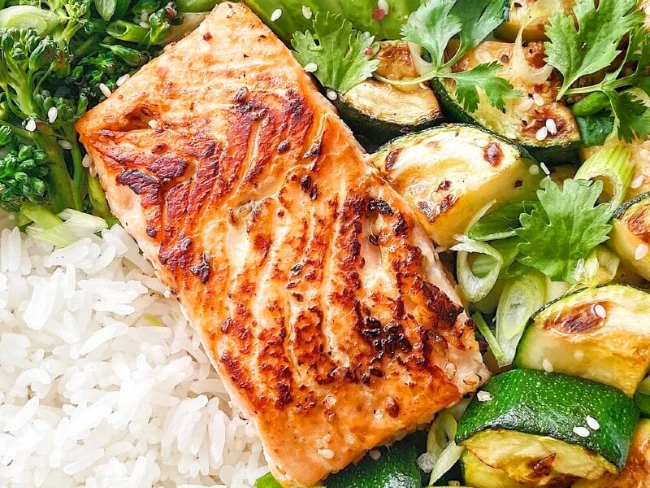
Ingredients
- Salmon
- Miso paste
- Soy sauce
- Garlic
- Ginger
- Honey optional
- Sesame optional
- Salt and pepper
Instructions
Calories, Fat, and Protein (Estimated)
Calories: 238 kcal per serving (estimated) Fat: 7.9g Protein: 30g
Tip: thicker salmon portions will increase calories, so weigh or measure your serving.
Why Miso Salmon Is a Weight Loss Winner
Miso salmon hits a rare trifecta: restaurant-quality flavor, excellent fat-loss macros, and anti-inflammatory benefits.
Macro breakdown (estimated 4 oz serving): • 238 calories • 30g protein (high) • 8g fat (mostly omega-3s) • 13g protein per 100 calories
Salmon's omega-3 advantage: Salmon is one of the richest sources of omega-3 fatty acids, delivering 1.5–2.5g EPA/DHA per 4 oz. Research shows omega-3s: • Reduce inflammation that can interfere with fat loss. • Improve insulin sensitivity. • May increase satiety hormones. • Support muscle protein synthesis. • Potentially preserve lean mass during cutting.
Farmed vs wild salmon: • Wild Alaskan/Pacific: Lower calorie (155 cal per 4 oz), lower fat, more varied omega-3 ratio. • Farmed Atlantic: Higher calorie (235 cal per 4 oz), higher fat but also higher omega-3 content. • For this recipe, either works. Farmed is easier to find and more consistent; wild has cleaner flavor.
Comparison to restaurant miso salmon: • Nobu Miso Black Cod: 650+ cal, 35g protein (lots of butter and oil). • Wagamama's Teriyaki Salmon: 520 cal, 38g protein. • This recipe: 238 cal, 30g protein.
Same flavor profile at a fraction of the calories.
Ideal for: • High-protein fat-loss days. • Post-workout dinners. • Anti-inflammatory diets. • Mediterranean-style eating.
Use a protein calculator to set your daily target.
Understanding Miso: Types, Uses, and Benefits
Miso is a fermented soybean paste that adds umami depth to any dish. Choosing the right type matters.
Miso types:
White miso (shiro miso): • Mildest, sweetest flavor. • Ferments 2 weeks to 3 months. • Best for delicate fish like salmon. • Most versatile and beginner-friendly.
Yellow miso (shinshu miso): • Mellow, balanced flavor. • Ferments 6–12 months. • Good middle ground for most uses.
Red miso (aka miso): • Bold, salty, complex. • Ferments 1–3 years. • Best for hearty dishes, heavier sauces. • Too strong for delicate fish.
Awase miso: • Blend of white and red. • Ready-made balance. • Good all-purpose option.
For this recipe, use white or yellow miso — they complement salmon's richness without overpowering.
Miso nutrition (per tablespoon): • 25 calories • 3g protein • 1g fat • 3g carbs • Probiotic bacteria • High in umami compounds • High in sodium (600+ mg per tbsp)
Health benefits: • Gut health: Live probiotics support healthy microbiome. • Cardiovascular: Despite high sodium, studies show no increase in blood pressure in most people. • Cancer prevention: Some observational studies link regular miso consumption with reduced stomach cancer risk. • Blood sugar: Fermented soy may improve insulin sensitivity.
Buying miso: • Look in the refrigerated section (real miso needs refrigeration). • Avoid 'miso seasoning mix' packets — those are MSG-based imitations. • Check the ingredients: soybeans, salt, koji (rice or barley mold). • Good brands: Hikari, Marukome, Miso Master.
Storage: • Keeps 6–12 months refrigerated in sealed container. • Never freezes solid (high salt), stays scoopable. • Doesn't spoil, but flavor fades over time.
Cooking Salmon Perfectly Every Time
Salmon is among the easiest proteins to ruin — overcooked salmon is dry and fishy. Here's how to nail it.
Internal temperature guide: • 120°F: Rare (center is still cool, some chefs prefer) • 125°F: Medium-rare (silky, still translucent in center) • 130°F: Medium (flakes easily, some translucence) • 135°F: Medium-well (fully flaky, slightly dry) • 140°F+: Well-done (dry and chalky)
Recommended: 125–130°F. Fish continues cooking after removal from heat (5°F of carry-over cooking).
Cooking methods compared:
Baking (this recipe, 400°F): • 12–15 min for 1-inch fillets. • Forgiving, hands-off. • Best for miso glaze (high heat caramelizes miso).
Broiling (high): • 6–8 min total, flip halfway. • Great char on miso glaze. • Fastest indoor method.
Pan-searing: • Medium-high heat, skin-side down 4 min, flip 2 min. • Crispy skin. • Best texture if you like crunchy skin.
Grilling: • Oil grill grates. • Medium-high heat, skin down 4 min, flip 2 min. • Great smoky flavor.
Sous vide: • 125°F for 30 min. • Absolutely perfect texture. • Requires equipment.
Air fryer: • 400°F for 7–9 min. • Fast, easy cleanup.
Doneness tests without a thermometer: • Fork test: Gently insert fork into thickest part. Flakes should separate but center should still be slightly translucent. • Finger test: Press top — should spring back but feel slightly soft. • Color test: Outside opaque pink; center should still look slightly darker pink.
Common mistakes: • Flipping too often (handle gently, once is enough). • Cold salmon going straight into hot pan (bring to room temp 15 min first). • Cooking with skin up (skin side down locks in moisture). • Over-relying on time (timer is a guide; internal temp is king).
Miso Glaze Variations and Serving Ideas
The basic miso glaze is white miso + soy sauce + ginger + garlic. Here are creative variations:
Miso glaze variations:
- Classic sweet miso (this recipe):
• 2 tbsp white miso + 1 tbsp soy + 1 tsp honey + 1 tsp sesame oil + garlic/ginger.
- Spicy miso:
• Base + 1 tsp sriracha or gochujang + pinch of red pepper flakes.
- Citrus miso:
• Base + 1 tbsp orange juice + orange zest + yuzu (if available).
- Maple miso:
• Base but use maple syrup instead of honey + dash of bourbon.
- Sesame-ginger miso:
• Base + 1 tbsp tahini + extra sesame + Chinese five-spice.
- Korean-inspired:
• Base + 1 tbsp gochujang + 1 tsp rice vinegar + sesame seeds.
- Japanese saikyo yaki:
• Marinate 24 hrs in white miso + sake + mirin + sugar. Classic Kyoto preparation.
Serving suggestions:
Low-carb bowls (under 350 cal total): • Salmon + cauliflower rice + steamed greens + sesame seeds • Salmon + zucchini noodles + miso-ginger sauce drizzle • Salmon + cabbage slaw with rice vinegar + lime
Balanced rice bowls (400–500 cal): • Salmon + 1/2 cup brown rice + edamame + avocado • Salmon + 1/2 cup jasmine rice + cucumber + seaweed • Poke-style bowl with cubed raw salmon + rice + veggies
Complete meals: • Fat loss (350 cal, 35g protein): Salmon + cauliflower rice + steamed bok choy + Greek yogurt miso dressing. • Maintenance (500 cal, 38g protein): Salmon + 1/2 cup rice + edamame + cucumber kimchi. • Performance (700 cal, 42g protein): Salmon + 3/4 cup rice + avocado + seaweed salad + miso soup.
Classic Japanese pairings: • Miso soup (80 cal). • Steamed rice (110 cal per 1/2 cup). • Sunomono cucumber salad (20 cal). • Edamame (100 cal per 1/2 cup). • Seaweed salad (35 cal per 1/2 cup).
Meal Prep, Freezing, and Leftover Ideas
Salmon is delicate but holds up well if handled properly.
Meal prep strategy:
Pre-portion and freeze raw: • Individual 4–5 oz portions. • Vacuum seal if possible. • Freeze up to 3 months. • Thaw overnight in fridge. • Marinate just before cooking.
Cook-ahead approach: • Bake full batch Sunday. • Store cooked portions 3 days max. • Flavor at its peak day 1–2. • Use flaked salmon for salads and bowls days 3.
Reheating (handle gently): • Oven: 275°F covered for 10 min (gentle, no drying). • Steamer: 2–3 min over simmering water. • Microwave (last resort): 30-second bursts at 50% power to prevent drying. • Cold: Actually excellent — use in salads and bowls.
Freezing cooked salmon: • Not recommended — texture degrades badly. • Raw frozen is much better for later cooking.
Leftover transformations:
- Salmon rice bowl:
• Flake cold salmon over rice with soy-sesame drizzle. • Top with scallions and seaweed.
- Salmon cakes:
• Mix flaked salmon with egg, breadcrumbs, herbs. • Pan-fry 3 min per side. • Serve with tzatziki.
- Salmon salad:
• Flake into Greek yogurt with dill, lemon, capers. • Serve on whole grain bread or lettuce wraps.
- Salmon sushi bowl:
• Cold flaked salmon over rice with avocado, cucumber, nori strips.
- Salmon pasta:
• Toss with whole wheat pasta, creamy cottage cheese sauce, and dill.
- Salmon breakfast scramble:
• Fold flaked salmon into scrambled eggs with spinach.
- Salmon stuffed avocados:
• Scoop avocado halves, fill with salmon salad.
Pro tips: • Skin on or off? Skin on for cooking (protects fillet); easy to remove after. • Buy center-cut fillets for even thickness and cooking. • Fresh vs frozen? Frozen is fine — most 'fresh' salmon was previously frozen.
For related seafood, see baked shrimp and broccoli foil packs and sheet pan shrimp boil. For high-protein strategies, see high-protein low-calorie foods.
Easy Miso Salmon (High-Protein Recipe) | Eati summary
A simple way to add high-quality protein. Track it in Eati to keep your portions aligned with your deficit.
Easy Miso Salmon: 30g Protein in 238 Calories (Japanese-Inspired…
How many calories in miso salmon?
Approximately 238 calories per 4 oz serving with 30g of protein and 8g of fat. Using wild-caught salmon reduces this to ~200 calories with similar protein. The miso glaze adds only 30–40 calories per serving total.
What type of miso is best for salmon?
Is salmon good for weight loss?
Yes, salmon is excellent for weight loss. High protein (30g per 4 oz), healthy omega-3 fats that reduce inflammation and may preserve muscle during dieting, and high satiety per calorie. Wild-caught is leaner; farmed has more omega-3s — both are beneficial.
Can I use frozen salmon for this recipe?
Yes, and most 'fresh' salmon at the store was previously frozen anyway. Thaw overnight in the fridge or in a sealed bag submerged in cold water for 30 minutes. Pat dry before applying miso glaze. Cooking time is identical.
How do I know when salmon is done?
Three signals: (1) Flakes easily with a fork but is still slightly translucent in the center. (2) Internal temperature of 125–130°F (medium, ideal). (3) Firm to the touch but still springs back. Overcooked salmon is dry and chalky — target slightly undercooked rather than over.
Free Tools to Reach Your Goals
Use our calorie burn calculator, calorie calculator, TDEE calculator, and macro calculator to set your daily targets. Explore all fitness & weight loss tools.