Cottage Cheese with Apple Slices: 25g Protein, 230 Calories (No-Cook…
Cottage cheese with apple slices is a 2-minute, 230-calorie breakfast with 25g of high-quality casein protein — the slow-digesting protein that keeps you full for 4+ hours. Crunchy apple, creamy cottage cheese, and a sprinkle of cinnamon make this one of the simplest weight-loss breakfasts you can build without turning on the stove.
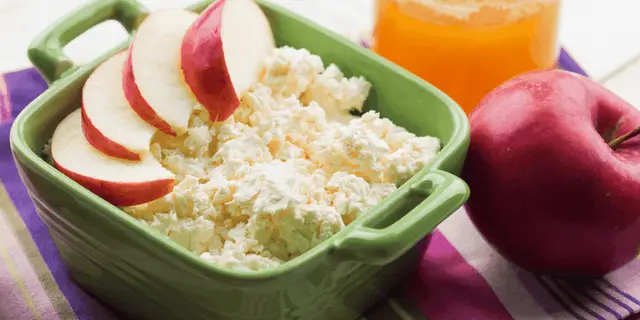
Ingredients
- 1 cup (225g) low-fat (2%) cottage cheese
- 1 medium apple (150g), sliced or diced
- 1/2 tsp ground cinnamon
- 1 tsp honey (optional)
- 1 tbsp chopped walnuts or almonds (optional)
- Pinch of vanilla extract (optional)
Instructions
- Spoon 1 cup of cottage cheese into a bowl.
- Wash and slice 1 apple — leave the skin on for extra fiber.
- Arrange apple slices on top or dice and fold them into the cottage cheese.
- Sprinkle cinnamon across the top.
- Drizzle honey and add nuts if using.
- Log your serving in Eati to track protein and calories.
Calories, Fat, and Protein (Estimated)
Calories: 230 kcal per serving (base recipe) Fat: 3g Protein: 25g Carbs: 28g (5g fiber, 20g natural sugars)
Swap to nonfat cottage cheese to drop to 190 cal with 25g protein. Add walnuts for +50 cal and +1g protein.
Why Cottage Cheese Is a Weight Loss Secret Weapon
Cottage cheese has quietly become one of the highest-leverage foods in any fat-loss plan. Here's why:
Macro breakdown (this bowl): • 230 calories • 25g protein (80% casein, 20% whey) • 3g fat • 28g carbs (5g fiber) • ~11g protein per 100 calories — top tier
The casein advantage: Cottage cheese is roughly 80% casein, the slow-digesting protein. Casein takes 4–6 hours to fully break down, steadily releasing amino acids into your bloodstream. For breakfast, that means: • Sustained satiety through lunch. • Reduced cravings mid-morning. • Continued muscle protein synthesis over hours. • Better adherence to your calorie deficit.
Cottage cheese vs Greek yogurt (per 1 cup): • Cottage cheese: 25g protein, 3g fat, 6g carbs, ~180–220 cal. • Nonfat Greek yogurt: 24g protein, 0g fat, 9g carbs, ~140 cal. • Both excellent; cottage cheese wins on protein density and lasts longer in the fridge.
The apple factor: A medium apple delivers 4–5g of fiber, mostly soluble pectin, which slows digestion further and feeds beneficial gut bacteria. The natural sugar is paired with fiber and protein, preventing blood sugar spikes.
Compared to common breakfast choices: • Bagel + cream cheese: 400 cal, 13g protein, 20g fat. • Granola bar + yogurt cup: 360 cal, 12g protein, 30g added sugar. • This recipe: 230 cal, 25g protein, 0g added sugar.
For more protein-smart picks, see high-protein low-calorie foods and the full 20 high-protein low-calorie breakfast ideas.
Picking the Right Cottage Cheese
Cottage cheese varieties look identical but vary wildly in macros. Here's how to decode the labels:
Fat content options: • Nonfat (0%): 90–100 cal, 13–14g protein per 1/2 cup. Lightest option, slightly drier texture. • Low-fat (2%): 100–110 cal, 13–14g protein per 1/2 cup. Best balance of creaminess and calories. • Whole milk (4%): 120–130 cal, 12–13g protein per 1/2 cup. Richest, most satiating.
Curd sizes: • Small curd: creamier, more uniform. • Large curd: chunkier, more texture. • Whipped: smooth like yogurt — great for swapping into dips.
Sodium matters: Standard cottage cheese has 350–400mg sodium per 1/2 cup. Look for 'low-sodium' or 'no salt added' versions (90–120mg) if you're watching sodium.
Best brands by protein density: • Good Culture Classic: 19g protein per 1/2 cup (highest on market). • Daisy 4%: 13g protein, no additives — clean label. • Friendship 1%: 14g protein, low sodium version available. • Breakstone's 2%: 12g protein, widely available. • Store brand: Often identical macros at 30% less cost.
Avoid: • Flavored cottage cheese (pineapple, peach): 5–8g added sugar per serving. • 'Light' or 'lite' without macro verification — some use artificial fillers. • Ultra-low sodium with added potassium chloride if you have kidney issues.
For high-protein tracking strategies, see how to track calories correctly.
8 Cottage Cheese Bowl Variations
Cottage cheese is the most versatile breakfast base — sweet, savory, warm, or cold:
- Classic sweet (this recipe, 230 cal, 25g protein):
• Apple + cinnamon + optional honey + nuts.
- Berry vanilla (240 cal, 25g protein):
• 1/2 cup mixed berries + 1/2 tsp vanilla + 1 tsp maple syrup.
- Peach cobbler (260 cal, 25g protein):
• Diced peaches + cinnamon + 1 tbsp granola + drizzle of honey.
- Savory Mediterranean (245 cal, 26g protein):
• Diced cucumber + cherry tomatoes + olive oil + za'atar.
- Lox-style (280 cal, 30g protein):
• 2 oz smoked salmon + dill + red onion + capers. Spread on 1 slice toast if budget allows.
- Pizza bowl (265 cal, 27g protein):
• Marinara + mini pepperoni + parmesan + oregano. Inspired by our cottage cheese pizza bowl.
- Chocolate dessert (275 cal, 27g protein):
• 1 tbsp cocoa powder + 1 tsp PB + sugar-free chocolate chips + zero-cal sweetener.
- Tropical (260 cal, 25g protein):
• Diced pineapple + 1 tbsp toasted coconut + lime zest.
Fruit substitutions (similar macros): • 1 small pear + cinnamon. • 1/2 cup grapes (halved) + slivered almonds. • 1/2 cup diced strawberries + basil. • 1 sliced banana (lower fiber, higher carbs).
Hot variations (microwave 60 sec): • Warm cottage cheese + cinnamon apple slices = baked-apple-in-a-bowl vibe. • Warm cottage cheese + scrambled eggs + spinach = high-protein savory bowl.
Meal Prep, Storage & Portable Options
Cottage cheese is one of the most meal-prep-friendly breakfasts thanks to its 10–14 day shelf life unopened.
Weekly prep in 5 minutes: • Buy a 32 oz tub of cottage cheese on Sunday. • Pre-slice 5 apples into mason jars with a squeeze of lemon (prevents browning). • Each morning: 1 cup cottage cheese + 1 portion of apple slices = breakfast in 30 seconds.
Grab-and-go jars: • Layer: apple slices (bottom), cottage cheese (middle), cinnamon + nuts (top). • Use 16 oz mason jars with tight lids. • Keeps 3 days in fridge.
Storage tips: • Unopened cottage cheese: 2 weeks past 'sell by' date is generally fine. • Opened: 7 days max; check for pink/gray spots or sour smell. • Store upside down: creates a seal that extends freshness 2–3 days (yes, really — it works). • Freezing: changes texture (becomes grainy). Not recommended for eating fresh but OK for cooking.
Avoid this common mistake: Don't cut apples the night before without lemon/water — they turn brown and mushy. A quick squeeze of lemon juice keeps them white for 2–3 days.
Budget breakdown: • 32 oz tub cottage cheese: $4–5 = 4 servings. • 5 apples: $3.50 = 5 servings. • Cinnamon + nuts: pennies per serving. • Total cost per breakfast: ~$1.10.
Compared to Starbucks protein box ($6.95, 16g protein) — you save $5.85 per day and get 9g more protein.
For more budget-friendly protein strategies, see best free calorie counter and myfitnesspal alternatives.
Cottage Cheese & Apple Slices (25g Protein, No-Cook Breakfast) |…
One of the simplest and most effective breakfasts for fat loss — 25g of slow-digesting casein protein, crunchy apple, and just 230 calories. Keep a tub of cottage cheese and a bag of apples in the fridge and you always have a go-to option ready in seconds.
Cottage Cheese with Apple Slices: 25g Protein, 230 Calories (No-Cook…
How much protein is in cottage cheese and apple?
One cup of low-fat cottage cheese plus a medium apple delivers about 25g of protein and 230 calories. Most of the protein is casein, a slow-digesting dairy protein that keeps you full for 4–6 hours.
Is cottage cheese and apple a good breakfast for weight loss?
Yes. It's one of the highest-protein, lowest-calorie no-cook breakfasts you can make. 25g of casein protein plus 5g of apple fiber creates strong satiety, and the whole bowl comes in at just 230 calories — ideal for a calorie deficit.
Which cottage cheese is best for weight loss?
Low-fat (2%) plain cottage cheese is the best balance of creaminess, satiety, and calories — about 110 cal and 13–14g protein per half cup. Good Culture Classic is the highest-protein brand available (19g per 1/2 cup). Avoid flavored versions with added sugar.
Can I eat cottage cheese every day?
Yes. Daily cottage cheese is safe and often beneficial for adults tolerating dairy — it's a convenient source of protein, calcium, and probiotics. The only caveats are high sodium content (watch if you have hypertension) and lactose sensitivity.
What fruits pair best with cottage cheese?
Apples, pears, berries, peaches, grapes, and pineapple all pair well. Apples are the most shelf-stable and highest-fiber option. Berries are lowest in carbs. Avoid watery fruits like watermelon — they dilute the texture unpleasantly.
Free Tools to Reach Your Goals
Use our calorie burn calculator, calorie calculator, TDEE calculator, and macro calculator to set your daily targets. Explore all fitness & weight loss tools.