Is Tracking Calories Worth It? Real Results in 4, 8, and 12 Weeks
Some people swear that tracking calories changed everything for them. Others say it made them obsessed, anxious, or burned out. So is tracking calories actually worth it, or is it just another diet fad? The answer depends on how you use it, what you expect from it, and which tools you choose.
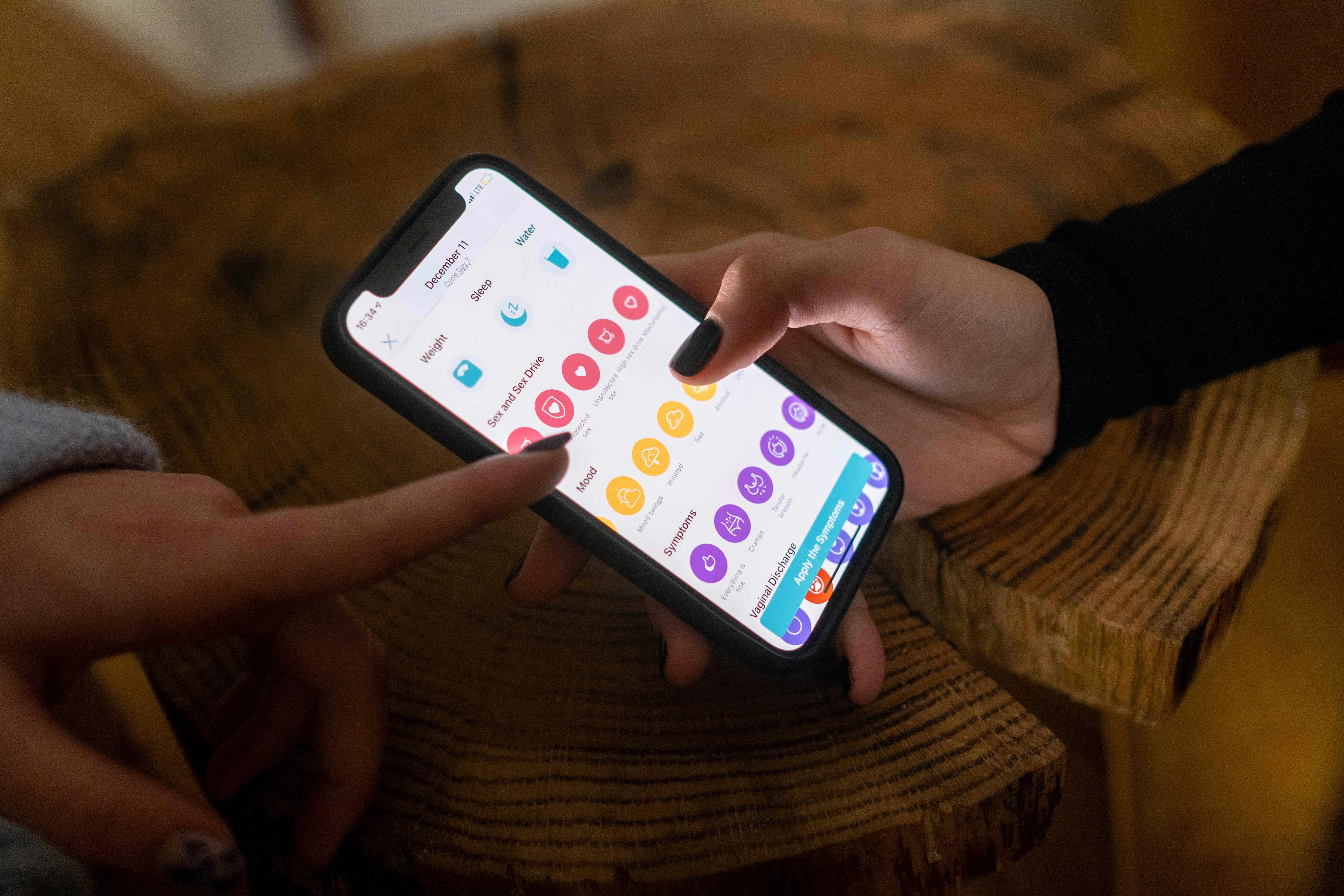
What Calorie Tracking Can—and Cannot—Do
Calorie tracking is a measurement tool. Done well, it can:
• Show you how much you really eat compared to what you think you eat. • Reveal which foods and habits quietly add hundreds of calories. • Connect your daily choices directly to your weekly weight trends.
What it cannot do is guarantee perfect results without effort, fix emotional eating by itself, or replace basic lifestyle habits like sleep and movement.
Think of tracking as turning the lights on in a dark room. You still have to walk across it—but it is much easier when you can actually see where you are going.
When Tracking Calories Is Especially Worth It
For many people, calorie tracking is most valuable in these situations:
• You feel stuck. You are "eating healthy" but not losing weight and do not know why. • You like numbers and structure. Data helps you feel in control rather than restricted. • You have specific goals. You are preparing for an event, improving performance, or managing health markers like blood sugar.
In these cases, tracking even for a limited time can give you insights you carry with you for years. Apps like Eati: AI Calorie Tracker make this phase feel more like a conversation and less like bookkeeping, which makes it easier to get through the learning curve.
When Tracking Might Not Be the Right Tool (Right Now)
Calorie tracking is not the best choice for everyone at every stage. It might not be worth it if:
• You have an active or recent history of disordered eating where numbers are a strong trigger. • You find yourself checking the app dozens of times per day and feeling anxious. • You are in a life phase where you genuinely cannot spare the mental bandwidth.
In those cases, focusing on habit‑based changes—like building protein‑centered meals, eating more whole foods, and setting rough portion guides—may be a healthier starting point. You can always experiment with light tracking later.
If you do try tracking in this context, choose a tool like Eati that emphasizes flexibility and learning rather than strict rules. The conversational, human‑like interface often feels less intense than traditional, spreadsheet‑style trackers.
How Eati: AI Calorie Tracker Makes Tracking More "Worth It"
One of the biggest reasons people stop tracking is friction. If logging every meal takes five minutes of searching and tapping, the cost in time and energy can outweigh the benefit.
Eati is designed to flip that equation:
• You log in seconds by describing what you ate in plain language. • You get clear feedback via friendly banners that show calories and macros for the day. • You can handle messy meals—home cooking, restaurant plates, mixed dishes—without building complex recipes. • You can see progress visually through simple progress views and motivational cards, not just raw numbers.
Because Eati reduces the effort required to get useful data, the "return on investment" of tracking feels much higher. You get insight and accountability without feeling like your entire day revolves around the app.
Using Tracking as a Temporary Tool Instead of a Lifetime Sentence
One of the most powerful ways to make calorie tracking worth it is to use it in phases:
- Learning phase (4–12 weeks): Track consistently to understand your real maintenance range, what a deficit looks like, and which foods/meals work best for your hunger.
- Refinement phase: Adjust your usual meals and habits based on what you learned—more protein, better snack choices, realistic portions.
- Maintenance or low‑intensity phase: Track occasionally or just during "high‑risk" periods (holidays, travel, stressful months) to keep yourself honest.
Eati supports this approach beautifully. You can log heavily at first, then ease off while still having a simple, friendly place to check in whenever you feel like you are drifting.
Questions to Decide If Tracking Is Worth It for You
To figure out whether calorie tracking is worth trying—or keeping—ask yourself:
• Has my current approach given me the results I want? If not, more awareness could help. • Do I see data as empowering or stressful? If mostly empowering, tracking is likely a good fit. • Can I commit to a short experiment? Even 3–4 honest weeks with an app like Eati can be eye‑opening.
If your answers lean toward yes, calorie tracking is likely worth it—especially with a tool that feels human and forgiving rather than rigid and technical.
Real Returns: What Tracking Calories Actually Delivers in 4, 8, and 12 Weeks
If you are wondering whether the effort pays off, look at what consistent calorie tracking typically produces over time.
Weeks 1–4: Awareness and reality check
• You see your true average intake, often 300–600 calories higher than you expected. • You spot the biggest "leak" foods: oils, drinks, nut butters, restaurant portions. • Weight starts moving predictably once your logged average lines up with your target.
Weeks 5–8: Habits and meal templates
• You build a small rotation of go-to meals you know fit your target. • You start estimating portions by eye with better accuracy because you measured for a few weeks. • Hunger is more stable because protein and fiber are consistently higher.
Weeks 9–12: Autonomy
• You can relax tracking for stretches and still keep results because you know what your day looks like. • You recognize patterns that predict plateaus — weekend calories, low steps, stressful weeks — and fix them early. • You have enough data to tell the difference between real plateaus and normal water-weight noise.
For most people, 8–12 weeks of honest tracking using Eati and a calorie calculator teaches them more about their eating than years of trial-and-error dieting. That alone is usually enough to make tracking worth it, even if you stop full-time logging afterward.
Common Tracking Mistakes That Make People Think It's Not Worth It
Most "tracking doesn't work" stories are actually stories about tracking the wrong way. The fix is usually one of these:
- Tracking only weekdays. Monday–Thursday precision + untracked weekends is the #1 reason people say calorie counting failed for them.
- Trusting database entries blindly. Many database entries are user-generated; the same food can have 5 very different calorie values. Eati's descriptive logging avoids this trap.
- Measuring only sometimes. A rough eye-balled portion of olive oil can be 2–3× a measured tablespoon. Weigh calorie-dense foods for 2 weeks, then estimate.
- Obsessing over exact numbers. Being within ±10% of your target 6 days a week beats being perfect 3 days and "off" 4 days.
- Using an overly aggressive calorie goal. If the number is too low, hunger wins every time and tracking becomes a daily failure ledger.
When tracking feels like it is 'not working,' the answer is almost always to fix one of these, not to abandon the practice. Pair it with a TDEE calculator to sanity-check your target.
How to Decide If It's Worth It Right Now vs. Later
Timing matters as much as method. Calorie tracking can be highly effective at one life stage and draining at another.
Green lights (likely worth it now):
• You have 20–30 minutes of mental bandwidth each day. • You're motivated to understand patterns, not just follow rules. • Previous approaches have plateaued or confused you. • You're preparing for a specific goal or event.
Yellow lights (try with lighter structure):
• You're in a stressful period (new job, new baby, travel). • Tracking makes you think about food constantly. • You want more flexibility than full logging allows.
Red lights (skip tracking, focus on habits):
• You have a history or active risk of disordered eating. • You've tried and felt significantly worse about yourself. • Numbers trigger anxiety rather than clarity.
If you're in the yellow zone, Eati's conversational style is often a better fit than database apps. You can log one line per meal, skip days guilt-free, and still get enough signal to correct course. For related decision-making, see do you really need to count calories to lose weight and why counting calories actually works.
Is Tracking Calories Worth It? When It Helps—and When It Doesn’t…
Tracking calories is not mandatory for everyone, but it is one of the fastest ways to understand how your food choices add up—and how to change them without guesswork. Used thoughtfully, with a tool that respects how humans actually eat and think, it can be well worth the effort. Eati: AI Calorie Tracker lowers the barrier by making logging feel like a quick conversation instead of a math assignment, turning an often intimidating process into something you can realistically stick with long enough to see real change.
Is Tracking Calories Worth It? Real Results in 4, 8, and 12 Weeks FAQ
Does calorie tracking actually work long-term?
Yes — when used as a learning tool rather than a permanent obligation. Most successful long-term results come from people who track intensively for 8–16 weeks, build stable habits, then transition to lighter or periodic tracking during high-risk periods like holidays, travel, or stressful seasons.
How accurate do I need to be when tracking calories?
Within ±10% of your daily target is enough for steady fat loss. Weigh calorie-dense foods (oils, nut butters, cheese) for a few weeks, then estimate by eye. Logging 'close enough' 6–7 days a week beats being perfect 3 days and untracked the rest.
Is tracking calories worth it if I only want to lose 10 pounds?
Very often yes. Ten pounds is in the range where small tracking errors (100–200 calories/day) can completely hide progress. Tracking for 6–10 weeks usually gets you to the goal faster than repeated rounds of vague dieting.
Can I track calories without an app?
Yes, using a notebook, spreadsheet, or food diary. But the friction is higher, estimates are less accurate, and patterns are harder to spot. A calorie tracking app like Eati reduces time-per-meal to seconds and surfaces weekly trends automatically, which is usually where the real value lives.
Will tracking calories make me obsessed with food?
It can if you have a history of disordered eating, use an overly strict target, or weigh yourself daily and react emotionally. For most people, however, data reduces anxiety because it replaces vague worry with clear feedback. If tracking starts feeling obsessive, loosen up, log only once a day, or switch to habit-based changes for a while.
Free Tools to Reach Your Goals
Use our calorie burn calculator, calorie calculator, TDEE calculator, and macro calculator to set your daily targets. Explore all fitness & weight loss tools.