How to Lose Belly Fat Fast: Science-Based 30-Day Plan (No Fad Diets)
Belly fat is stubborn, frustrating, and often the last place you notice changes. The internet is full of promises about magic teas and ab workouts that "melt fat," but real results come from understanding how fat loss actually works. This guide breaks down what truly helps you lose belly fat quickly and safely—without starving yourself or falling for gimmicks.
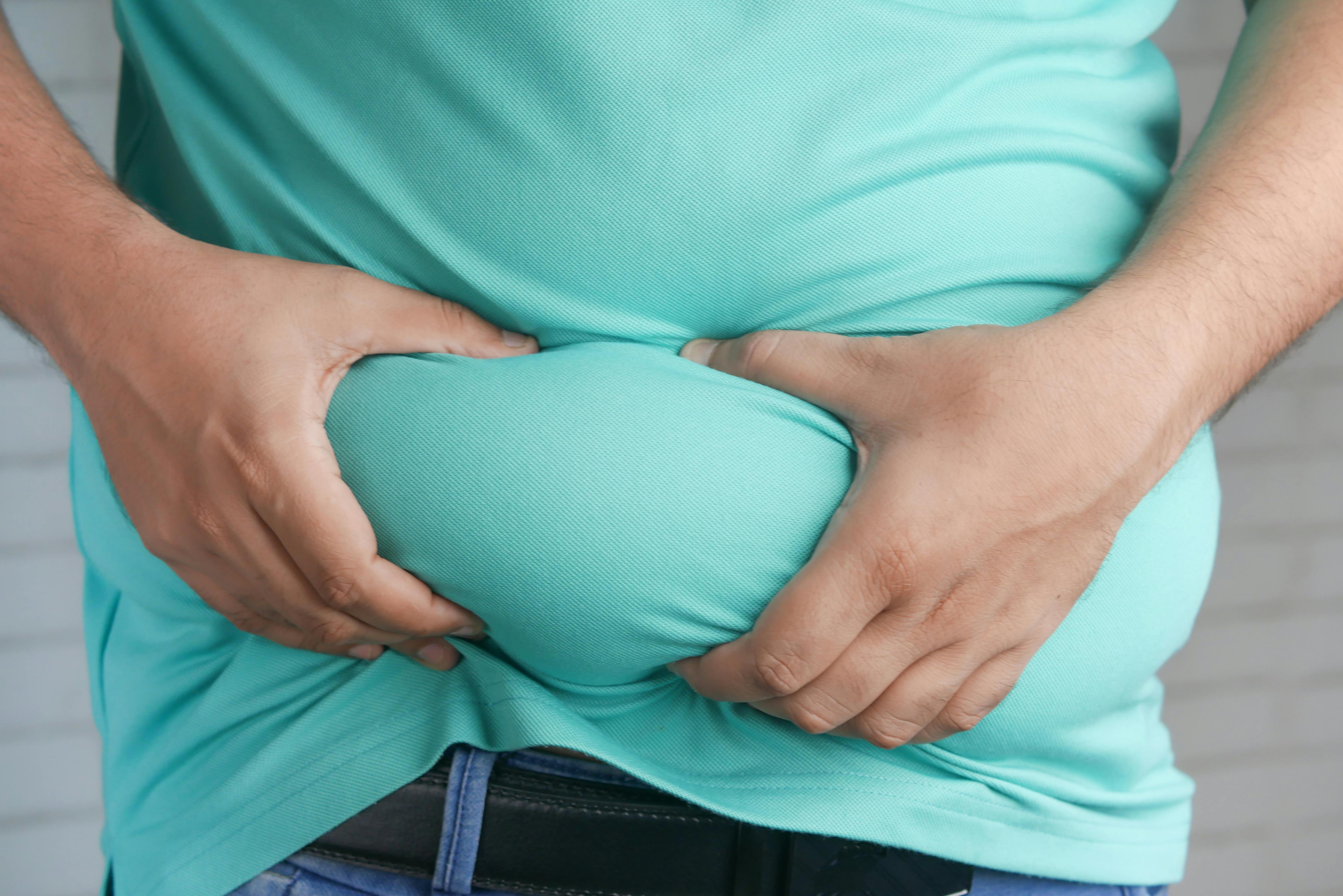
The Truth About Spot Reduction
One of the biggest myths in fitness is spot reduction—the idea that you can do hundreds of crunches or target one area with special exercises to burn fat there. Your body does not work that way. Fat loss happens systemically: you lose fat from all over your body based on genetics, hormones, and individual patterns.
This means that to lose belly fat, you have to lose body fat overall. The good news is that the same strategies that slim your arms, legs, and back also reduce your waist circumference over time. Instead of obsessing over ab workouts, focus on creating a consistent calorie deficit, eating enough protein, and moving your body regularly.
Core training is still useful. Strong abs improve posture, reduce back pain, and help your stomach look flatter as body fat comes down. But ab exercises are the finishing touch, not the main engine of fat loss.
Dial In a Calorie Deficit That Works Quickly—But Safely
If you want faster results, you need a slightly larger, but still sustainable, calorie deficit. For many people, that means aiming for a deficit of 400–600 calories per day instead of a tiny 200‑calorie gap that barely moves the needle.
Start by estimating your maintenance calories (the amount that keeps your weight stable) using an online TDEE calculator or by tracking your current intake and weight for 1–2 weeks. Then subtract 400–600 calories and monitor your weight trend. A loss of 0.7–1.2 percent of your body weight per week is aggressive but still reasonable for short periods.
You can make this easier by using a tool like Eati. Describe your meals, let the app estimate calories and macros, and adjust in real time instead of trying to do math in your head.
Eat for a Flatter Stomach: Protein, Fiber, and Smart Carbs
Your food choices impact not only fat loss, but also bloating, water retention, and how flat your stomach looks day to day. If your diet is heavy on ultra‑processed foods, high sodium meals, and sugary drinks, you are more likely to feel puffy, sluggish, and constantly hungry.
Build most of your meals around lean protein (chicken, fish, eggs, tofu, Greek yogurt), high‑fiber vegetables (broccoli, spinach, peppers, cucumbers, zucchini), and whole‑food carbs (potatoes, oats, beans, lentils, fruit). These foods keep you full on fewer calories and stabilize blood sugar, which reduces cravings.
You do not need to eliminate carbs to lose belly fat. What matters most is overall calories and the quality of the carbs you choose. Emphasize minimally processed sources and pay attention to portion sizes of calorie‑dense extras like oils, dressings, nut butters, and desserts.
Use Strength Training to Shape Your Midsection
Cardio helps you burn calories, but strength training changes your body composition. When you lift weights or perform resistance exercises, you build and preserve lean muscle, which makes your frame look tighter and more defined as you lose fat.
Two to four full‑body strength sessions per week is enough for most people. Focus on big movements like squats, deadlifts, lunges, push‑ups, rows, presses, and planks. These exercises work your core along with multiple muscle groups, giving you more results for the time you invest.
As your body fat drops, that added muscle makes your waistline appear smaller and your posture more upright, which visually enhances your midsection even before you are at your final goal.
Manage Stress, Sleep, and Hormones for Stubborn Belly Fat
Chronic stress, poor sleep, and irregular schedules can make belly fat more stubborn. Elevated stress hormones, particularly cortisol, are linked with increased abdominal fat storage and powerful cravings for calorie‑dense foods.
You cannot eliminate all stress, but you can manage it better. Aim for 7–9 hours of sleep most nights, keep a consistent bedtime and wake time, and build simple wind‑down routines like reading, stretching, or a short walk after dinner. Even 5–10 minutes of daily deep breathing or mindfulness can help.
When your stress and sleep improve, you are more likely to stick to your calorie target, move more during the day, and make food decisions that support fat loss instead of sabotaging it.
Track Progress the Right Way (Not Just by the Scale)
If you only judge progress by the number on the scale, you will miss many early wins. Belly measurements, progress photos, and how your clothes fit often change before the scale moves dramatically—especially if you are new to lifting or you recently improved your diet quality.
Take waist measurements once per week at the same time of day, ideally in the morning before eating. Use the same tape measure and note the number in a tracking app or journal. Pair this with weekly progress photos taken in similar lighting and clothing.
Over 4–8 weeks, you should see your waist circumference trending downward, even if daily weight jumps around. Those visual and measurement changes are strong signs that your belly fat is shrinking, even when the scale feels slow.
How Fast Can You Safely Lose Belly Fat?
Everyone wants fast results, but there is a limit to how quickly you can safely and realistically lose belly fat. For most people, losing 0.5–1.0 kilograms (1–2 pounds) per week is a solid target. Heavier individuals may lose a bit faster in the beginning, while smaller individuals may progress slightly slower.
Trying to crash diet your way to a flat stomach usually ends with muscle loss, extreme fatigue, and rebound weight gain. A slightly aggressive but controlled deficit, combined with strength training and smart nutrition, gets you to the same goal with far fewer side effects.
Remember that the first week or two of a new plan often includes a lot of water loss, especially if you reduce refined carbs and sodium. Do not confuse that initial drop with pure fat loss. Focus on what happens over 4, 8, and 12 weeks instead.
Visceral vs. Subcutaneous Belly Fat: Why the Difference Matters
When people say 'belly fat,' they usually mean two very different things:
• Subcutaneous fat: the soft layer you can pinch just under the skin on your stomach. • Visceral fat: the deeper fat wrapped around internal organs. It's invisible from the outside but strongly linked to heart disease, type 2 diabetes, and elevated liver enzymes.
Good news: visceral fat tends to come off first in a calorie deficit. Many people see waist measurements drop noticeably before subcutaneous 'pinch-able' fat fully goes. This is why your health markers can improve in weeks even when the mirror change feels slow.
Indicators you're losing visceral fat: • Waist circumference shrinking (aim for the natural waistline — just above the belly button) • Clothes fitting looser in the midsection • Improved energy and fewer afternoon crashes • Better bloodwork (triglycerides, HDL, fasting glucose)
Pair a honest calorie deficit — set with a calorie deficit calculator — with 7,000+ daily steps and you'll hit both types of belly fat over time. For more detail on realistic timelines, read how long does it take to lose weight in a calorie deficit.
A 30-Day Belly Fat Action Plan
If you want structure, here's a practical 4-week plan that combines everything in this article.
Week 1: Calibrate • Use a TDEE calculator to set maintenance and subtract 400–500 calories for your daily target. • Log meals honestly in Eati for 7 days, including weekends. Don't worry about hitting the target yet — just measure reality. • Take starting photos, waist measurement, and morning weight.
Week 2: Dial in protein and volume • Hit your protein target (0.8 g per pound of body weight) at every meal. • Fill half your plate with vegetables. • Cut sugary drinks entirely; replace with water, sparkling water, black coffee, or tea. • Add a 10-minute walk after your largest meal.
Week 3: Add strength and steps • 2–3 strength sessions (squats, rows, push-ups, planks — even bodyweight works). • 7,000+ daily steps. Use a calorie burn calculator to estimate extra daily burn. • Re-weigh and re-measure the waist at the end of the week.
Week 4: Adjust and project • Compare week 4 to week 1. Weekly weight average should be down 1–3 lb and waist 0.5–1 inch. • If progress stalled, trim another 100–150 calories or add 1,500–2,000 steps. • Plan the next 4 weeks at the same pace.
Belly fat doesn't disappear in 30 days, but 30 days is enough to establish undeniable momentum. For support on sticking with a deficit, see how to stay in a calorie deficit without feeling hungry.
How to Lose Belly Fat Fast (Without Fad Diets) summary
Losing belly fat fast is not about magic workouts or miracle foods. It is about doing the fundamentals very well: creating a meaningful but sustainable calorie deficit, prioritizing protein and high‑fiber foods, lifting weights to shape your body, and managing stress and sleep so your hormones support your efforts. When you consistently apply these principles for a few months, your waistline will shrink, your clothes will fit better, and you will feel more confident in and out of the gym. Start with one or two changes from this guide, use Eati to track your intake honestly, and give your body the time it needs to respond.
How to Lose Belly Fat Fast: Science-Based 30-Day Plan (No Fad Diets)…
How can I lose belly fat in 2 weeks?
In 2 weeks you can realistically reduce visible belly fat by 1–3 lb and 0.25–0.75 inch of waist circumference with a 500-calorie daily deficit, high protein, and 7,000+ daily steps. Much of the first-week drop is water from reduced sodium and carbs. Lasting change comes from repeating the process for 8–12 weeks, not 2.
What foods burn belly fat quickly?
No food 'burns' belly fat directly, but protein-rich and fiber-rich foods help you eat fewer calories while feeling full. Eggs, Greek yogurt, cottage cheese, chicken breast, fish, tofu, leafy greens, berries, and legumes are particularly effective at supporting a deficit without constant hunger.
Does drinking water help lose belly fat?
Indirectly, yes. Staying hydrated reduces confusion between thirst and hunger, keeps digestion smooth, and lowers bloating that can make your stomach look bigger. Water doesn't melt fat, but drinking a glass before meals can reduce calorie intake slightly. A water intake calculator can help you set a daily target.
Why is belly fat the hardest to lose?
Genetics, hormones (especially cortisol and estrogen), and fat cell density vary by area. For many people, belly fat is metabolically stubborn because it often has fewer fat-mobilizing receptors. It still responds to a consistent calorie deficit — it just tends to come off last, after the face, arms, and upper body.
Do ab workouts help lose belly fat?
They strengthen the muscles underneath but don't burn belly fat specifically. Spot reduction isn't real. Ab work becomes visible when overall body fat drops through a calorie deficit. Use ab training for core strength, posture, and definition once the fat layer is thinner.
Free Tools to Reach Your Goals
Use our calorie burn calculator, calorie calculator, TDEE calculator, and macro calculator to set your daily targets. Explore all fitness & weight loss tools.